Fire and Earth: The Philippines Awakens
5/6/20263 min read
Hi everyone,
As many of you know, Moan and I have been in the process of exploring a massive life shift: moving back to the Philippines. I’ve missed the beautiful sunsets, the warm community, and the vibrant culture. But nature, it seems, has a way of reminding us that the Philippines isn’t just a tropical paradise—it’s a land built on fire. While we were researching the logistics of the move, the ground beneath the islands began to speak. And it’s speaking loudly.
Right now (early May 2026), the Philippines is in a state of heightened volcanic alert. It’s a stark reminder of the dynamic geology that makes this archipelago so beautiful, yet so powerful.
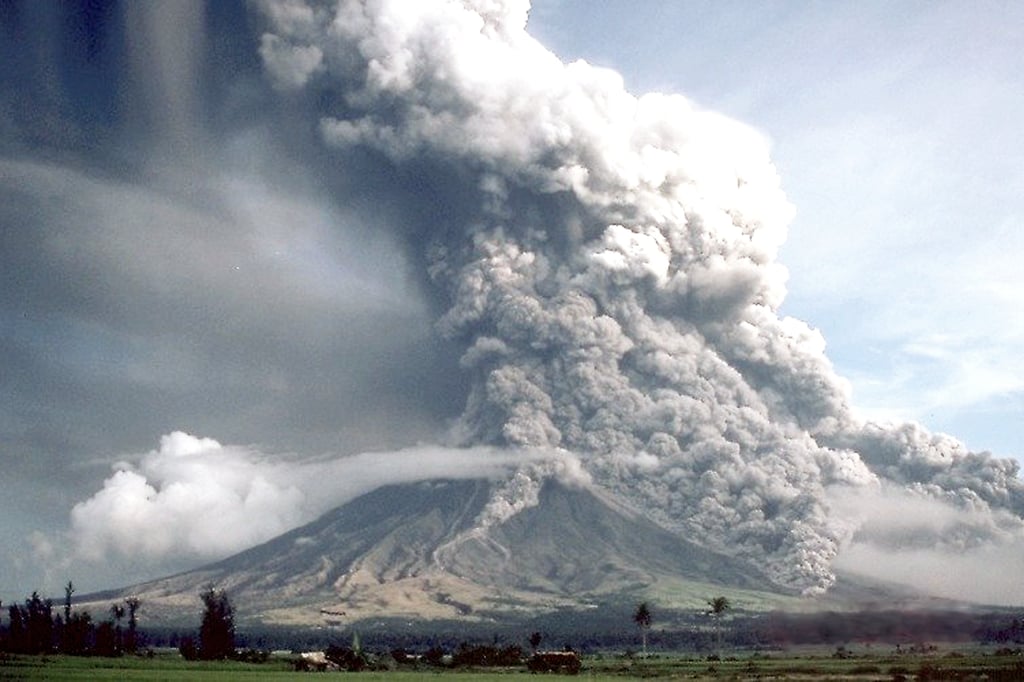
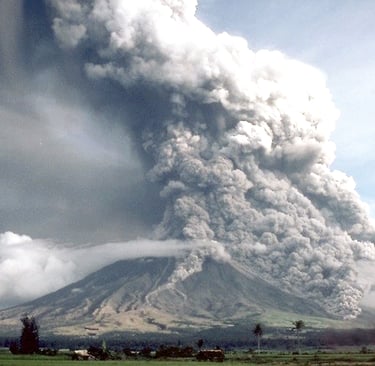
The most dramatic news comes from Mayon Volcano, famous for its near-perfect cone shape. Just a few days ago, on May 2nd, Mayon erupted with significant force. We’re talking about a pyroclastic density current—a superheated avalanche of gas and rock—racing down its slopes. The sky filled with massive ash clouds, and the immediate response was swift: roughly 5,500 residents were evacuated from the danger zones. It’s a humbling sight to see the raw power of the earth in action. The entire region is currently under Alert Level 3. That’s a serious designation. It means magma is very close to the crater, and if the unrest continues to escalate, an eruption could happen within weeks.
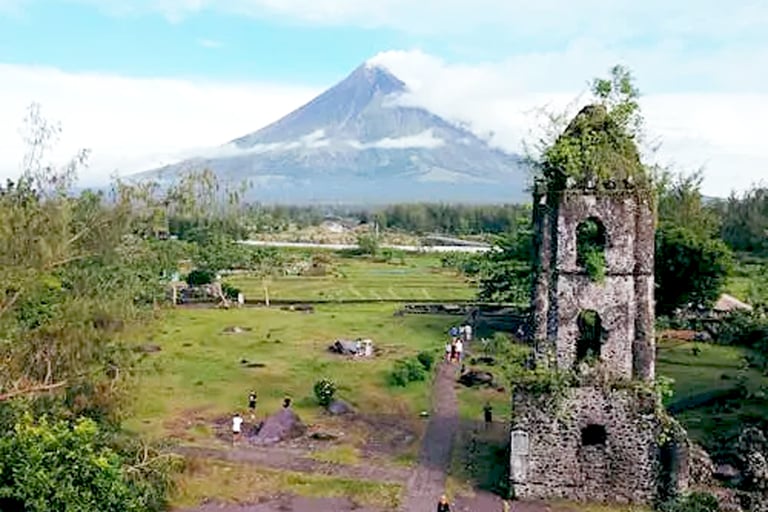
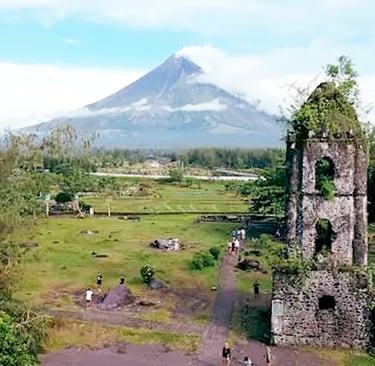
It’s a tense situation for the locals, and my heart reaches out to anyone who has been affected. I pray it will not lead to another tragic disaster, as what happened in 1814 when the Mayon Volcano unleashed its most violent recorded eruption in history. It wasn't just a lava flow; it was a massive explosion that sent pyroclastic flows (superheated gas, ash, and rock) and lahars (mudflows) rushing down the slopes with terrifying speed. The Town of Cagsawa The town of Cagsawa, located in the province of Albay at the foot of the volcano, was directly in the path of destruction. The town was completely buried under several meters of ash and volcanic debris. Many terrified residents fled into the sturdy stone church of Cagsawa, believing the thick walls would shield them from the falling ash and heat. Tragically, the sheer weight of the accumulating ash and the force of the pyroclastic flow caused the roof to collapse, crushing those inside. The only part of the town that survived was the bell tower. Today, it stands alone amidst a grassy field with the perfect cone of Mayon rising majestically behind it. These ruins, known as the Cagsawa Ruins, are now the most iconic symbol of the Philippines' volcanic history. The Death Toll The death toll was devastating. Estimates vary slightly depending on the source, but it is generally accepted that around 1,200 people lost their lives in that single day.
But it’s not just Mayon. Further south, Bulusan Volcano is also stirring. While it hasn’t erupted explosively like Mayon, the Philippine Institute of Volcanology and Seismology (PHIVOLCS) has reported increasing seismic unrest beneath the surface. It’s quiet on the outside, but the ground is shaking with activity. But here’s the thing I’ve learned while digging into this: The Philippines has lived with volcanoes for centuries. The people here aren’t just surviving; they’ve built a culture around resilience. They know the signs, they have evacuation plans, and they have a deep respect for the land.
So, where does this leave prospective ex-pats, like us, that are contemplating moving here? Well, it depends on where you plan to relocate in the Philippines, but Natural disasters are all part of the trade-off, no matter which region you decide on relocating to.
It adds a layer of complexity to anyone thinking about relocating to the Philippines as it’s a reason to respect the reality. Moving to the Philippines means embracing the whole package—the breathtaking beaches and the active tectonic plates, the gorgeous sunsets and fierce typhoons.
If you’re also considering a move to a place where nature is this alive, I’d love to hear your thoughts; how do you weigh the beauty against the risk?
Stay safe!