
Deliciously Authentic Filipino Lechon Manok Recipe
5 min read
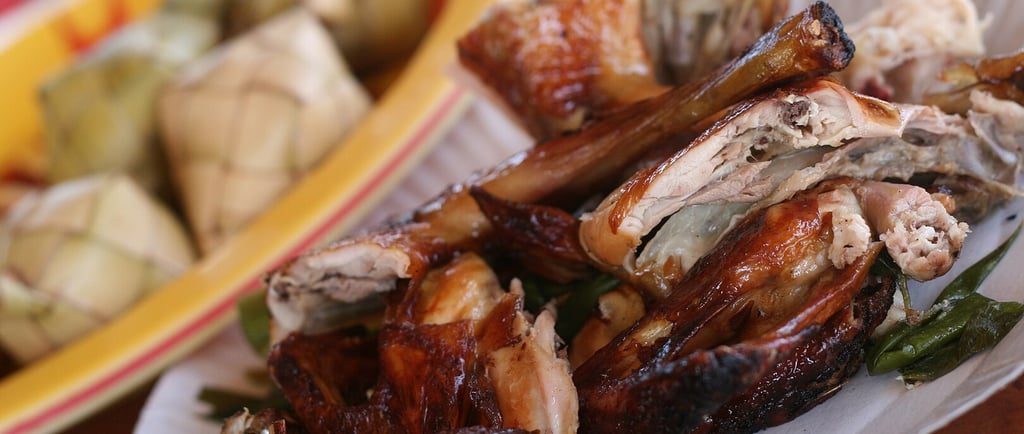
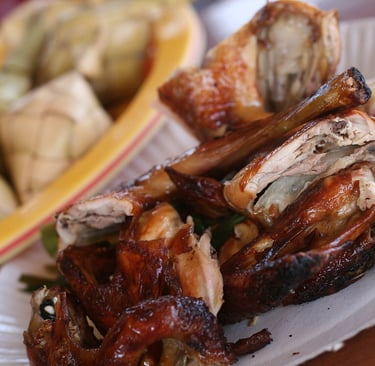
Introduction to Lechon Manok
Lechon Manok is a quintessential dish within Filipino cuisine, celebrated for its rich, savory flavor and irresistibly crispy skin. Originating from the Philippines, this delectable roasted chicken has secured its place as a favorite among locals and expatriates alike. The dish is intricately linked to Filipino cultural traditions and is often the centerpiece of festive occasions, such as birthdays, holidays, and family gatherings. During these events, Lechon Manok becomes a symbol of hospitality and abundance, showcasing the communal spirit of dining in Filipino culture.
The preparation of Lechon Manok involves marinating the chicken with a blend of spices and flavors, often including garlic, soy sauce, and citrus, resulting in tender meat infused with a savory essence. The chicken is traditionally cooked over charcoal, which contributes to the distinctive smoky aroma and crispy skin that sets this dish apart from other roasted meats. It is typically served with a dipping sauce, further enhancing its flavor profile and offering a delightful contrast of tastes.
In recent years, Lechon Manok has gained immense popularity not only within the Philippines but also in various Filipino communities around the globe. Many restaurants and street vendors have put their unique spins on this classic dish, making it accessible to a diverse audience eager to experience authentic Filipino flavors. Whether enjoyed during a festive celebration or on a casual day, Lechon Manok continues to be a beloved delicacy that reflects the rich culinary heritage of the Philippines. Its cultural significance, combined with its mouthwatering taste, ensures that Lechon Manok remains a must-try dish for anyone interested in delving into the vibrant world of Filipino cuisine.
Essential Ingredients for Cooking Lechon Manok
To create a truly authentic Lechon Manok, selecting the right ingredients is paramount. The centerpiece of this dish is, undoubtedly, the chicken. It is advisable to use a fresh, whole, free-range chicken weighing around 3 to 4 pounds for optimal flavor and tenderness. Such chickens have a richer taste compared to their conventionally raised counterparts. When selecting your chicken, look for well-fleshed birds with firm skin and an enticing aroma.
Equally essential are the seasonings and marinades that impart the distinctive flavor characteristic of Lechon Manok. A reliable marinade comprises key ingredients such as soy sauce, lemon or calamansi juice, minced garlic, crushed peppercorns, and salt. As for the aromatics, a combination of 1 tablespoon of minced garlic and 1 teaspoon of finely crushed peppercorns sets a strong flavor base.
In addition to these, seasoned chicken stock cubes can enhance the taste profile significantly. For an extra depth, consider adding 1 to 2 tablespoons of annatto oil, which not only contributes a subtle sweetness but also imparts an appealing golden hue to the skin during cooking. This aspect is essential to achieving the desired crispy texture and vibrant color.
When it comes to cooking methods, roasting the chicken over charcoal or in an oven yields the most authentic results. Ensure to baste the chicken frequently throughout the cooking process to keep it moist and enhance the flavor infused from the marinade. By carefully selecting these essential ingredients and following proper cooking techniques, you will be well on your way to crafting a delicious Lechon Manok that reflects the true essence of Filipino cuisine.
Ingredient list
Whole chicken
1 whole chicken, about 4 lb (≈ 1.8 kg), cleaned and patted dry
Marinade/rub
6–8 large garlic cloves (≈ 30 g), minced or crushed
2 tablespoons fresh ginger, grated (≈ 15 g)
2–3 white‑part lemongrass stalks, bruised and finely chopped
½ medium onion (≈ 50 g), finely minced
3 tablespoons soy sauce (toyo)
2 tablespoons fish sauce (patis)
2 tablespoons calamansi juice (or lime juice)
1 tablespoon brown sugar or muscovado sugar
½ teaspoon freshly ground black pepper
½ teaspoon salt (adjust to taste)
Aromatics for stuffing (cavity)
2–3 whole lemongrass stalks (white parts only)
2–3 bay leaves
¼ cup sliced onion
4–5 whole garlic cloves, sliced
Optional basting /glaze
2 tablespoons melted butter or clarified butter (ghee) – brush during roasting
1 tablespoon additional calamansi or lemon juice – drizzle after cooking for a bright finish
Step-by-Step Cooking Instructions
To create an authentic Filipino Lechon Manok, careful preparation and attention to detail are crucial. Start by selecting a quality whole chicken weighing about 3 to 4 pounds for the best results.
Begin the process by preparing the marinade:
Blend the garlic, ginger, lemongrass, onion, soy sauce, fish sauce, calamansi juice (or lime juice), brown sugar, pepper, and salt into a paste. Rub the mixture all over the chicken, under the skin where possible, and inside the cavity. Toss the extra lemongrass, bay leaves, onion, and garlic inside. Marinate the chicken in this mixture for at least 3 hours, or ideally overnight, in the refrigerator for maximum flavor infusion.
Cooking Preparation: Next, once the chicken has absorbed the marinade, it is time to prepare for cooking.
Preheat your oven to 375°F (190°C) if you're using an oven; alternatively, prepare your grill or rotisserie for direct medium heat. Remove the chicken from the marinade and allow excess liquid to drip off. Truss the chicken securely with kitchen twine.
For roasting, place the chicken breast side up on a roasting rack or directly on the grill grates. If using an oven, ensure to baste the chicken every 30 minutes with its own juices (and melted butter if desired) to retain moisture and promote even browning.
Cook Time:
Cook the chicken for about 1 to 1.5 hours, or until the internal temperature reaches at least 165°F (74°C). If using a rotisserie, rotate the chicken consistently for around the same duration.
To achieve perfectly crispy skin, consider increasing the oven temperature to 425°F (220°C) during the last 15 minutes of cooking. Carefully monitor to avoid burning. Once fully cooked, remove the Lechon Manok from the heat and allow it to rest for about 10 to 15 minutes before carving. This resting period helps the juices redistribute within the meat, ensuring a juicy, flavorful outcome.
Serving Suggestions and Variations of Lechon Manok
Lechon Manok, a beloved Filipino dish, can be served in a multitude of ways, each enhancing the succulent flavors of this roasted chicken. A classic accompaniment is Java rice, characterized by its slightly sweet taste and vibrant yellow hue, achieved by cooking rice with turmeric and garlic. This aromatic side perfectly balances the savory notes of Lechon Manok, ensuring a well-rounded meal. In addition to Java rice, fried rice variants, such as sinangag (garlic fried rice), also pair well, providing a flavorful base that complements the chicken’s richness.
Dipping sauces further elevate the culinary experience. Traditional options include vinegar or soy sauce mixed with kalamansi, a small citrus fruit native to the Philippines. The acidity of the vinegar or the tangy flavor of the kalamansi cuts through the juiciness of the Lechon Manok, providing a refreshing contrast. Other popular dips, such as banana ketchup or a spicy vinegar sauce, introduce additional flavor dimensions, catering to different palates.
For those interested in variations, Lechon Manok can be adapted to reflect regional tastes and cooking methods. For instance, in some regions, the chicken may be marinated with local herbs and spices, imparting a distinct flavor profile that varies from the traditional preparation. Grilling rather than roasting offers a smoky twist, producing a delightful char that enhances the overall experience. Vegetarian alternatives, such as marinated tofu or roasted vegetables, can also serve as substitutes for those adhering to plant-based diets, allowing everyone to enjoy the essence of this Filipino classic.
Ultimately, the versatility of Lechon Manok invites creativity. Whether sticking to time-honored traditions or experimenting with new flavors, each serving suggestion and variation enriches the experience, making it a dish worth savoring in countless ways.
Popular Brands for ingredients::
Check out these popular brands by clicking on my affiliate link. It helps support the blog at no additional cost to you. Thank you!
For soy sauce, popular brands like Kikkoman https://amzn.to/43n0kPp offer rich varieties that can elevate the dish.
Knorr brand chicken cubes https://amzn.to/4v4Lb0T are often recommended for their consistent flavor and availability.